All Categories
Featured
Essential Steps for Filing for Bankruptcy During 2026
Table of Contents
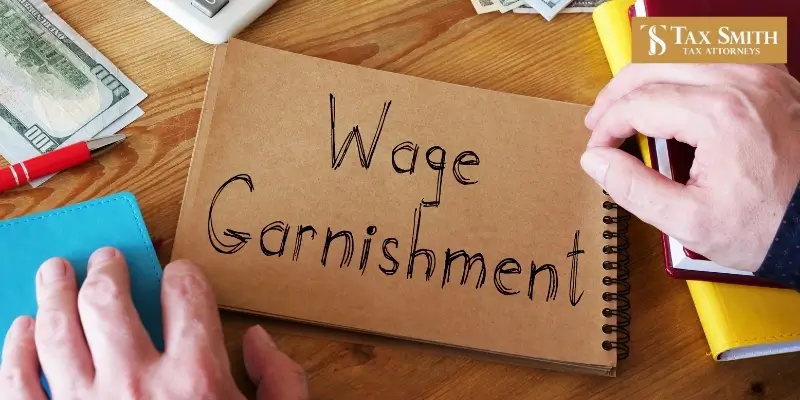
Disposable revenues is defined as the quantity of revenues left after federal, state, and local tax reductions and any other legally required deductions (e.g., mandatory retirement withholdings). Say an employee's non reusable earnings are $2,000. You can only garnish approximately $300 ($2,000 X 0.15) per pay period for student loan withholding.
No. Under Title III of the Consumer Credit Defense Act (CCPA), you can not release a worker whose earnings undergo garnishment However, the CCPA does not safeguard workers whose incomes are subject to two or more garnishments. You should start garnishing an employee's wages when you receive a student loan garnishment order.
Stop withholding if you get an official notification. You can quickly set up a wage garnishment in Patriot's payroll software application. Bear in mind that you are accountable for remitting garnishments to the proper firms. You can learn how to set up a wage garnishment here.
Between Chapter 7 and Chapter 13
The U.S. Department of Education (the Department) today announced that it will delay the execution of uncontrolled collections on federal student loans, consisting of Administrative Wage Garnishment (AWG) and the Treasury Offset Program (TOP). The short-lived delay will allow the Department to implement major trainee loan repayment reforms under the Working Households Tax Cuts Act (the Act) to give borrowers more options to repay their loans.
The Act lowers the variety of federal student loan payment plans, getting rid of a complicated labyrinth of choices and making it much easier for borrowers to pick either a single basic payment strategy or income-driven repayment (IDR) strategy that best fulfills their needs. This consists of a new IDR plan that waives overdue interest for debtors with on-time payments whose payments do not totally cover accrued interest, which includes small matching payments from the Department in certain scenarios to ensure that impressive principal is decreased each month.
The hold-up in collections will provide defaulted debtors extra time to assess these new repayment options once they consolidate their loans or complete a repayment or rehab arrangement. The Act likewise offers borrowers a second possibility to restore a defaulted loan, allowing them to get their payments back on track and get the loan out of default.
The delay in collections will offer defaulted borrowers extra time to begin the rehab procedure, consisting of the ability to restore their loan a 2nd time. "After the Biden Administration deceived debtors into thinking their student loans would not require to be repaid, the Trump Administration is devoted to assisting trainee and moms and dad borrowers resume routine, on-time payment, with more clear and economical options, which will support a stronger financial future for debtors and improve the long-term health of the federal trainee loan portfolio," "The Department determined that uncontrolled collection efforts such as Administrative Wage Garnishment and the Treasury Offset Program will function more efficiently and fairly after the Trump Administration carries out considerable enhancements to our broken student loan system." During the delay, the Department encourages debtors in default to explore their choices for fixing their defaulted trainee loans with the defaulted federal loan servicer.
The Trump administration will resume garnishing salaries from trainee loan customers in default in early 2026, the U.S. Education Department verified to NPR. The move comes after a years-long time out in wage garnishment due to the pandemic. "We anticipate the first notices to be sent out to approximately 1,000 defaulted customers the week of January 7," a department spokesperson told NPR.
Understanding the 2026 Legal System2026 Bankruptcy Protocols
A customer is in default when they have not made loan payments in more than 270 days. Once that happens, the federal government can try to collect on the financial obligation by taking tax refunds and Social Security benefits, and likewise by ordering a company to withhold approximately 15% of a customer's pay.
Betsy Mayotte, the president and founder of The Institute of Student Loan Advisors, says although debtors have actually expected this, the timing is unfortunate. "It will coincide with the boost in health care expenses for a lot of these defaulted customers," she stated, describing the premium increases for Affordable Care Act health insurance coverage that begin in 2026.
Understanding the 2026 Legal SystemAnother 3.7 million are more than 270 days late on their payments and 2.7 million are in the early stages of delinquency. "We have actually got about 12 million debtors today who are either overdue on their loans or in default," Preston Cooper, who studies trainee loan policy at AEI, informed NPR.
Steps for Filing for Bankruptcy During 2026
Cory Turner contributed to this story.
(Post Updated Jan. 6 and 8, 2026) This short article notes federal and state consumer law modifications arranged to go into effect or end during the duration from December 1, 2025, through January 1, 2027. Other customer law modifications will be enacted in 2026 and will go into effect in 2026; this short article lists modifications whose effective dates have actually currently been set up as of December 31, 2025.

Latest Posts

How to Initiate for Bankruptcy Efficiently in 2026

Key Updates in the Federal Bankruptcy Landscape
Long-Term Consequences of Filing