All Categories
Featured

Finding the Ideal Legal Debt Option
Table of Contents
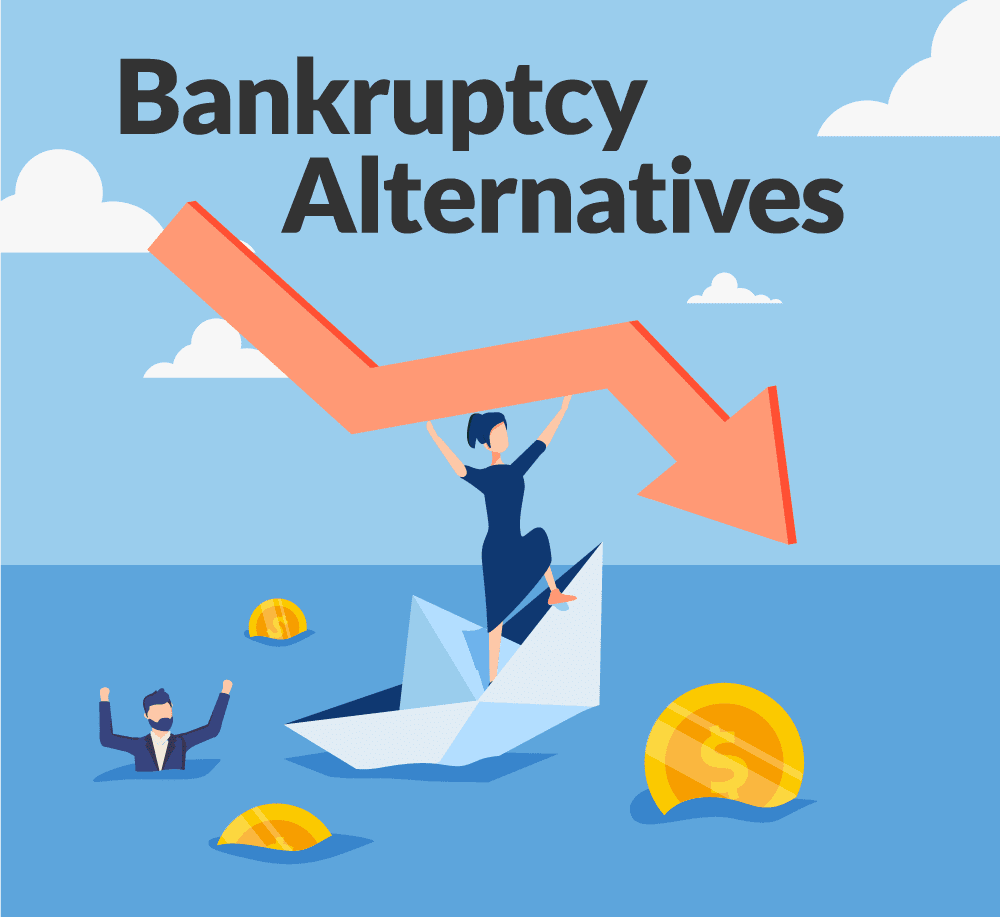
Possible alternatives include a financial obligation management program, a debt combination loan or financial obligation settlement. Each usually needs 3-5 years to reach a resolution. None warranties complete elimination of financial obligation. Before deciding, it would likewise be a good idea to contact a credit therapy firm. Credit therapists can provide a debt analysis and individualized action strategy based upon your earnings and the amount and type of financial obligation you're bring.
Rather, keep in mind insolvency carries substantial long-term charges. It stays on your credit report for 7-10 years and makes it challenging to get future loans at sensible rates.
Choosing Between Chapter 7 and Chapter 13Personal bankruptcy sometimes stems from inescapable situations, or as an effect of choices beyond one's total control. "One of the most significant mistaken beliefs about filing bankruptcy is that it indicates an individual has actually stopped working financially or is irresponsible with their finances," said Lyle Solomon, principal lawyer at Oak View Law Group in California.
Deciding Between Chapter 7 and Reorganizing Laws
Overdue medical expenses are tied to 60%-65% of personal bankruptcies, according to Elizabeth Fowler, a recognized scholar in Health Policy and Management at the Bloomberg School of Public Health at Johns Hopkins. Similarly, a 2022 Roosevelt Institute study found that 62% of insolvencies were attributed in part to medical financial obligation.
If you don't have a rainy-day fund and lots of people do not task loss is a hole in the ceiling enabling financial obligation to gather. Theft or loss of home, natural disasters, etc, seem to take place when you are least prepared. If you're already living on a razor's edge, unanticipated events become financial catastrophes.
Choosing the best time, if possible, can assist. PC in Herndon, Va. "So, often your hand is forced about when to file.
If you remain in a situation where you are surviving on credit because your pay is inadequate to make ends meet, it may not be the correct time to file. The majority of people won't have access to more than a little charge card or 2 for a while after insolvency." Bankruptcy features luggage.
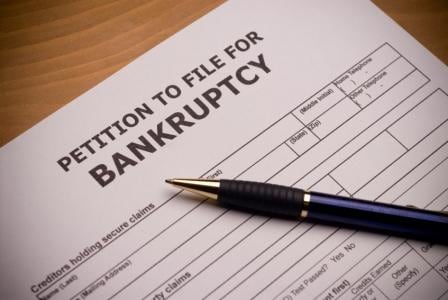
A Chapter 7 bankruptcy can remain on your credit report for 10 years; for Chapter 13, it's 7 years. At least for the very first a number of years after your case ends, you'll likely have trouble with approvals for loans, home mortgages or credit cards. In the much shorter term, your credit history can nosedive by 100-200 points.
Your Essential Guide to Successful Debt Filings
We'll information the debts that can't be discharged in the next area. Getting a "tidy slate" through insolvency is a relative term. Personal bankruptcy does not remove all monetary obligations.
Choosing Between Chapter 7 and Chapter 13Your co-signer consented to pay your loan if you didn't or couldn't pay. When you declare insolvency, your co-signer still may be legally obligated to pay all or part of your loan. While bankruptcy can provide the very best exit plan from crushing monetary concern, it's not a one-size-fits-all solution. If you're uncomfortable with personal bankruptcy's civilian casualties to your credit history or some of the messier fallout of filing for personal bankruptcy, you may desire to consider these options: Call your loan servicer and inquire about a forbearance or loan adjustment.
Some lenders (looking to cut their losses) might consent to a repayment schedule that minimizes your financial obligation. Enter a financial obligation management strategy, typically provided by not-for-profit credit counseling companies. It's one method to pay off high interest credit card debt and get your financial obligation under control through monetary preparation and budgeting.
Finding the Right 2026 Debt Option
, a contract reached in between a lender and a debtor in which a minimized payment is accepted as full payment. Simply know debt settlement can damage your credit score along the exact same lines as bankruptcy.
Insolvency is a legal process to help people who can't pay their financial obligations get a fresh start. When you apply for insolvency, a federal court actions in and either: eliminate your financial obligations, or establishes a strategy so you can repay them gradually, often for less than you in fact owe.

Latest Posts

How to Initiate for Bankruptcy Efficiently in 2026
Key Updates in the Federal Bankruptcy Landscape
Long-Term Consequences of Filing