All Categories
Featured

Gaining Immediate Support Through Chapter 13 Filings
Table of Contents
Each usually requires 3-5 years to reach a resolution. None warranties total elimination of debt.
Instead, keep in mind bankruptcy brings significant long-term penalties. It remains on your credit report for 7-10 years and makes it hard to get future loans at reasonable rates.
Is Your Repayment Plan Legally Sound?Insolvency sometimes comes from inescapable scenarios, or as a consequence of decisions beyond one's overall control. "One of the biggest mistaken beliefs about filing personal bankruptcy is that it means a person has actually failed financially or is irresponsible with their financial resources," said Lyle Solomon, principal attorney at Oak View Law Group in California.
Estimating Current Legal Lawyer Fees
Overdue medical costs are connected to 60%-65% of personal bankruptcies, according to Elizabeth Fowler, a prominent scholar in Health Policy and Management at the Bloomberg School of Public Health at Johns Hopkins. Similarly, a 2022 Roosevelt Institute study discovered that 62% of insolvencies were associated in part to medical debt.
If you don't have a rainy-day fund and many people don't job loss is a hole in the ceiling allowing debt to put in. Theft or loss of residential or commercial property, natural disasters, etc, appear to occur when you are least prepared. If you're already living on a razor's edge, unforeseen events become financial disasters.
Selecting the best time, if possible, can assist. "When you are dealing with something like a foreclosure or a garnishment, insolvency tends to be one of the only choices to stop those types of collection activities," said Ashley Morgan of Ashley F. Morgan Law. PC in Herndon, Va. "So, in some cases your hand is required about when to file.
If you are in a scenario where you are residing on credit because your pay is insufficient to make ends satisfy, it might not be the correct time to file. The majority of people will not have access to more than a little charge card or 2 for a while after insolvency." Bankruptcy includes luggage.
A Chapter 7 personal bankruptcy can remain on your credit report for 10 years; for Chapter 13, it's 7 years. A minimum of for the very first a number of years after your case ends, you'll likely have trouble with approvals for loans, home loans or credit cards. In the much shorter term, your credit history can nosedive by 100-200 points.
Expert Guidance for 2026 Debt Filings
We'll information the financial obligations that can't be released in the next area. Getting a "clean slate" through insolvency is a relative term. Bankruptcy does not remove all financial duties.
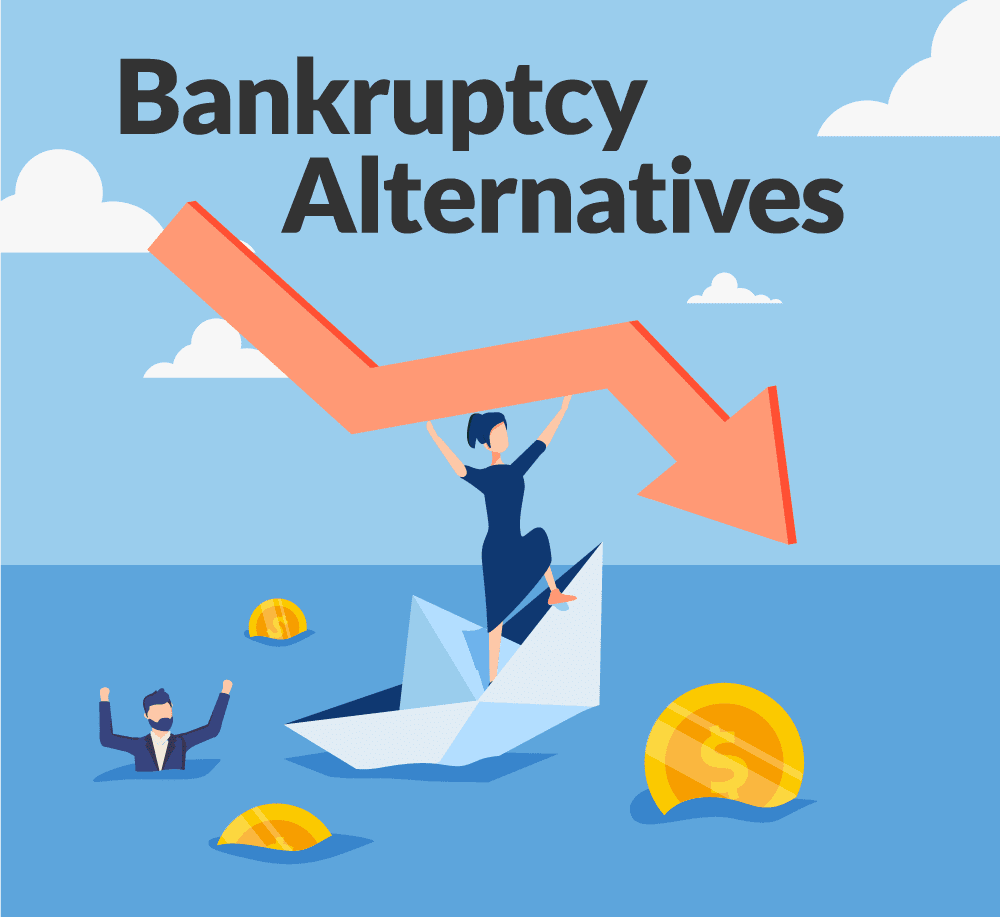
While personal bankruptcy can offer the best exit plan from squashing monetary concern, it's not a one-size-fits-all remedy. If you're uneasy with insolvency's collateral damage to your credit rating or some of the messier fallout of filing for personal bankruptcy, you might want to consider these options: Call your loan servicer and inquire about a forbearance or loan adjustment.
Some lenders (looking to cut their losses) may agree to a repayment schedule that lowers your debt. It's one method to pay off high interest credit card financial obligation and get your debt under control through monetary planning and budgeting.
How to Initiate for Bankruptcy Efficiently in 2026
Weigh the benefits of debt settlement, an arrangement reached between a lender and a debtor in which a reduced payment is accepted as full payment. Feel in one's bones financial obligation settlement can damage your credit rating along the very same lines as insolvency. If these choices aren't possible, it might be worth it to look into inexpensive bankruptcy choices.
Bankruptcy is a legal process to assist people who can't pay their financial obligations get a fresh start. When you declare insolvency, a federal court actions in and either: eliminate your financial obligations, or establishes a plan so you can repay them with time, typically for less than you really owe.

Latest Posts

How to Initiate for Bankruptcy Efficiently in 2026
Key Updates in the Federal Bankruptcy Landscape
Long-Term Consequences of Filing